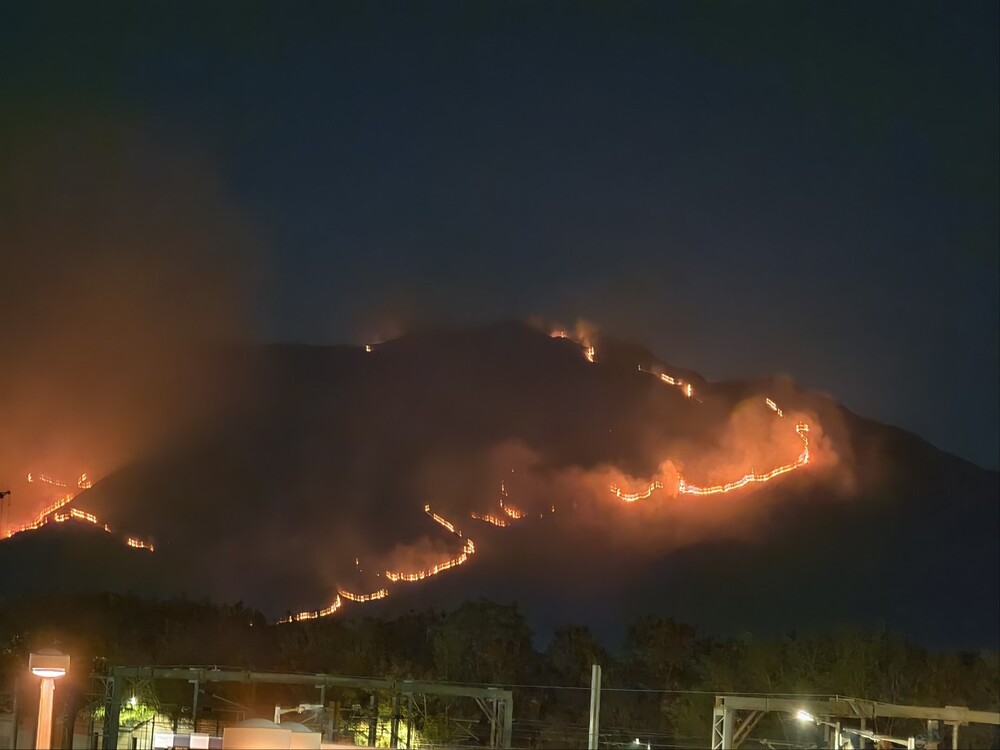
We are getting off to a bad start to the year, what with the catastrophic wildfires in Los Angeles making for a hellish mix when one factors in a slew of earthquakes and other natural disasters.
In a comment made in August on the wildfire in Lahaina, Hawaii, I said it was probably the worst such conflagration in America, at least in the past century.
A whole district was wiped out and more than 100 people died.
The Los Angeles wildfires have caused at least 27 deaths and dozens missing, but their footprint was much worse than the Lahaina disaster – 150 square kilometers.
The Standard Channel
More>>
It is estimated that at least 10,000 buildings burned down and more than 100,000 people have had to evacuate.
Some structures were expensive houses and commercial facilities in a scenic neighborhood, occupied by celebrities and wealthy businessmen.
Losses have been estimated at more than US$150 billion (HK$1.17 trillion).
That is a huge number by any measure and may probably set a new world record for the cost of damages due to wildfires.
Wildfires occur every year, especially in the dry winter, and affect many parts of the world. It is usually caused by dry weather and strong winds.
When a wildfire starts, strong winds help spread the inferno to larger areas.
Once it spreads, conventional firefighting methods, either with the help of fire hydrants or by dumping water from helicopters, will not do the trick. The high heat load, fueled by wooden buildings and nearby grass and trees, will cause the fire to spread quickly and continuously.
The only way blazes happening on such a grand scale can be extinguished, apart from torrential rain, would be by carving out a fire break.
That means removing trees and grass to leave a stretch of land barren of fuel in the hope that the fire can stop spreading.
However, residents in the affected areas can’t deny they had not been warned.
Last year, many had insurance coverage on their houses revoked.
That should have got them thinking about why that happened, ergo whether fire risks had gone off the charts.
Reports say California is supposed to have the most stringent fire regulations in the whole country but we can see that it was unable to prevent the fires from spreading for more than a week.
Residents blamed authorities for inadequate water supply to hydrants, hampering the fire department’s ability to respond to emergencies.
They also reported that some large reservoirs were out of commission due to routine maintenance and repairs, leading to hydrants drying up.
However, my viewpoint is that there is a limit to purely feeding the hydrants with water from reservoirs and no engineering design can be brought to bear on bushfires that break out on such an epic scale.
In hindsight, town planning rules could have specified isolation strips for each small group of houses, segregating them to minimize the potential for fires to spread.
However, one can guess that wouldn’t go down well at all as it would make neighborhoods unpleasant, breaking with the general desire to have a lot of green vegetation around houses.
More adequately manned fire brigades could have been provided for more timely firefighting, though that is unlikely due to budget cuts.
Either way, it is likely that the entire prevention planning process and fire fighting facilities will be extensively reviewed in the aftermath of such a disaster.
We in Hong Kong live in a concrete jungle and often envy the l