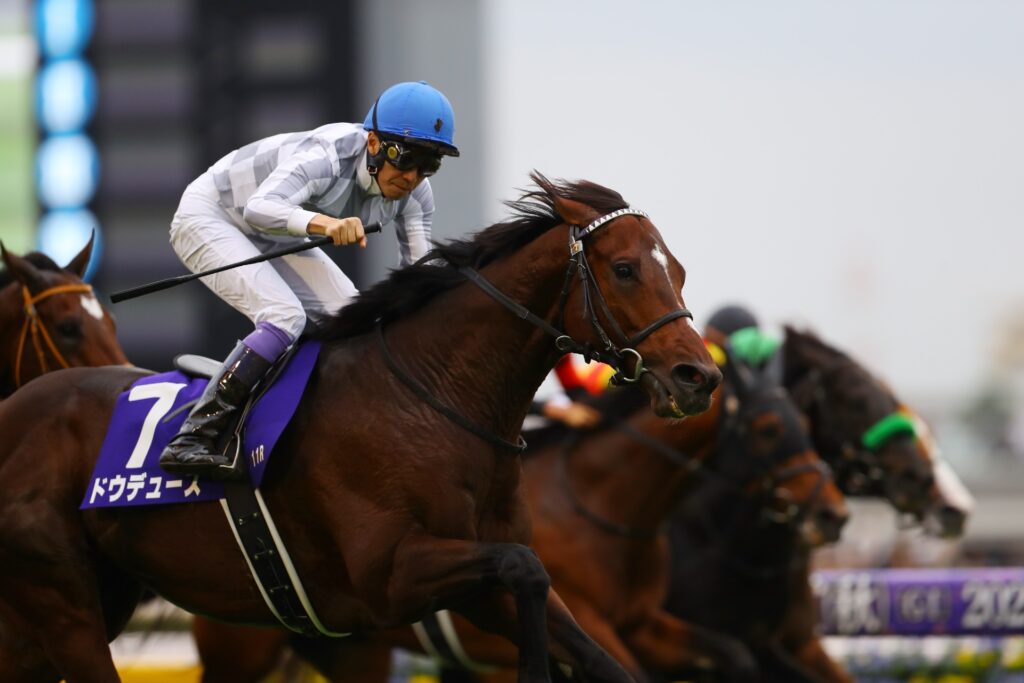
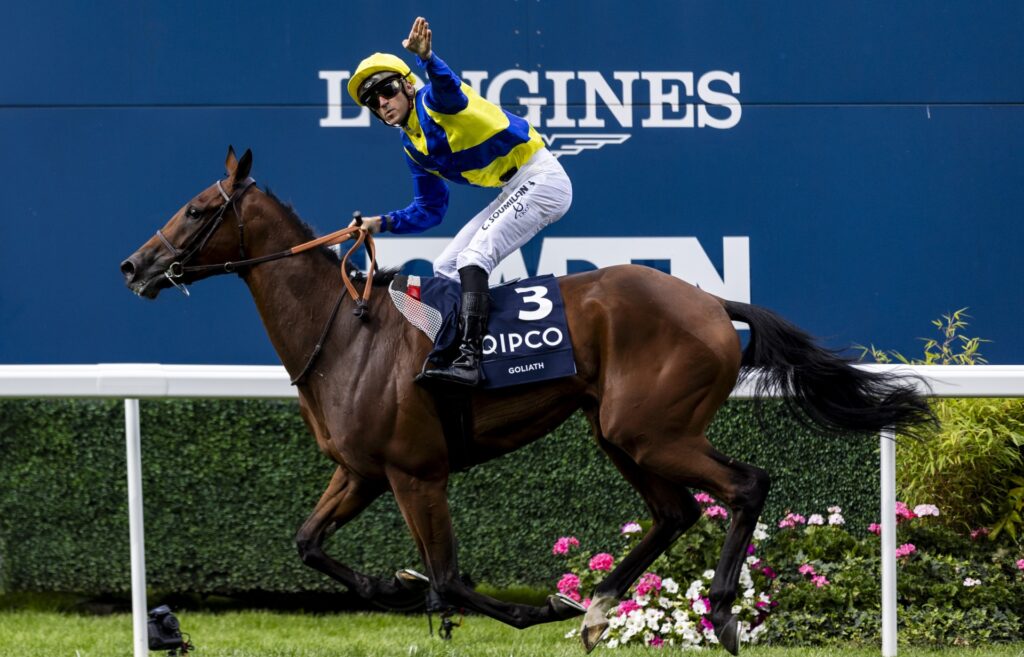
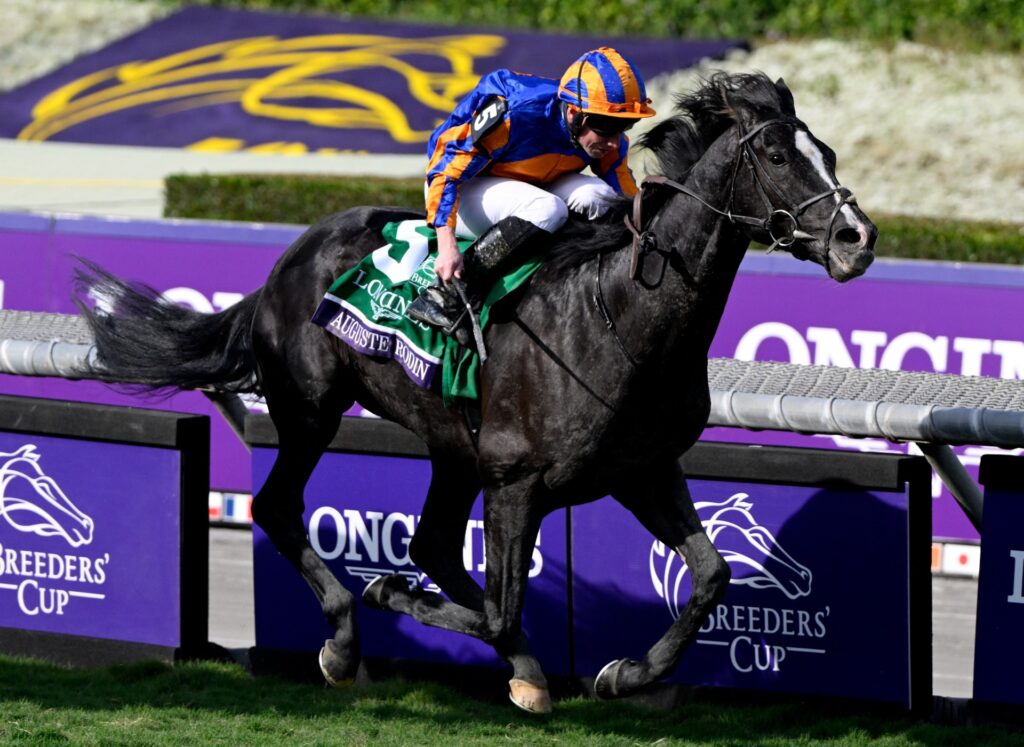
Auguste Rodin and Goliath are bringing it for the overseas raiders after years of the Japan Cup relying on its renowned home-tra
AT LAST, we have two real-deal European challengers in the Japan Cup again, and how refreshing that is. Auguste Rodin and Goliath are exciting throwbacks to when the mile and a half contest still fulfilled the measure of its creation, when genuine top-tier Group 1 horses shipped in from overseas to challenge the buttressed might of the Japanese defence.
ADVERTISEMENT
SCROLL TO CONTINUE WITH CONTENT
The Aidan O’Brien-trained Auguste Rodin, with six Group 1 wins including a couple of Derbies, the Breeders’ Cup Turf, Irish Champion Stakes and Prince of Wales’s Stakes, is the most decorated overseas runner to tackle the Cup in more than a decade, going back to the likes of the Arc heroine and eventual King George VI and Queen Elizabeth Stakes winner Danedream, sixth at Tokyo in 2012.
As Ryan Moore told the media this week, Auguste Rodin has form “similar to horses that have won the Japan Cup” from Europe in the old days.
Such is the JRA’s (Japan Racing Association) gratitude and relief that a real star has shown up, it has announced that Coolmore’s Auguste Rodin, as the best foreign-bred son of Japan’s late great champion galloper and stallion Deep Impact, will have a retirement ceremony held in his honour after racing. That will be a remarkable first for a foreign-trained horse: retirement ceremonies usually are reserved only for the most respected of local heroes.
Meanwhile, the Francis Graffard-trained Goliath is the first horse to arrive on the premises with a King George win under his belt since Conduit was fourth behind local heroine Vodka in 2009.
Goliath’s King George form, defeating the subsequent Arc winner Bluestocking, with this autumn’s Breeders’ Cup Turf victor Rebel’s Romance and Auguste Rodin behind, is the best Europe can offer at the distance. That being so, the powers that be at the JRA know they need at least one of the two stars to run a big race to help get the Japan Cup back on track.
It's been about a dozen years since the Japan Cup began to lose its way. The number of international participants dropped off and so did the overall quality of those that did show up. The JRA doubled the bonus available to a Japan Cup winner that had also won one of its designated global bonus races to US$2 million in 2017. When that didn’t work, it upped it to US$3 million for overseas-trained contenders and set about expanding the race’s incentive system to entice the top-line Europeans back to the party. That in and of itself was an admission that the race, despite being a fantastic spectacle won by some of Japan’s finest champions, was failing to be what it was meant to be.
This year, the stars mentioned above – and their solid ‘support’ runner, champion German colt Fantastic Moon – will earn US$3.5 million should they win, plus a bonus of US$3 million. Even the bonus for second is a whopping US$1.2 million, with US$750,000 on offer for third and a sweet US$200,000 for fourth, as well as the place money.
+2
The Japan Cup was established back in 1981 as a contest specifically designed to attract the world’s eyes to Japan, to bring in high-class runners from overseas to compete against the best Japan could muster. It was a way to measure the progress of Japan’s bloodstock and to assess the quality of its champions against those from the sport’s traditional strongholds.
This was a race that would enhance Japan’s domestic programme, too, positioned between the treasured 2000m Tenno Sho Autumn and the mighty end of year grand prix, the 2500m Arima Kinen. It would not replace them, nor ever overshadow them. It was very much a race with an international purpose.
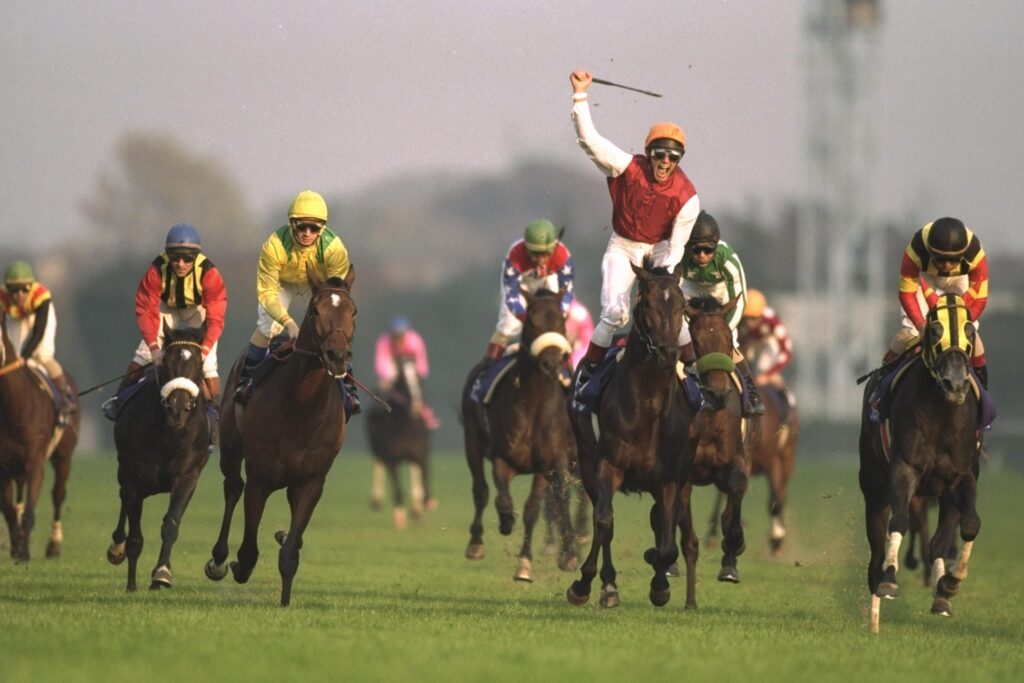
It worked. The North American Mairzy Doates took the first edition, another American Half Iced won the second, then Ireland’s Stanerra took the third before Japan figured it out and nailed the 1984 and 1985 contests with Katsuragi Ace and Symboli Rudolf. But, as expected, nine of the first 11 Japan Cups went offshore.
Idol Horse
After that, the home team and the raiders traded blows: three wins on the bounce for Japan, four in a row for the internationals, four more for Japan, one to the foreign cohort, two back-to-back for Japan, and then in 2005 one more for the raiders as the British galloper Alkaased triumphed for trainer Luca Cumani. Since then, it’s been 18 straight wins to Japan.
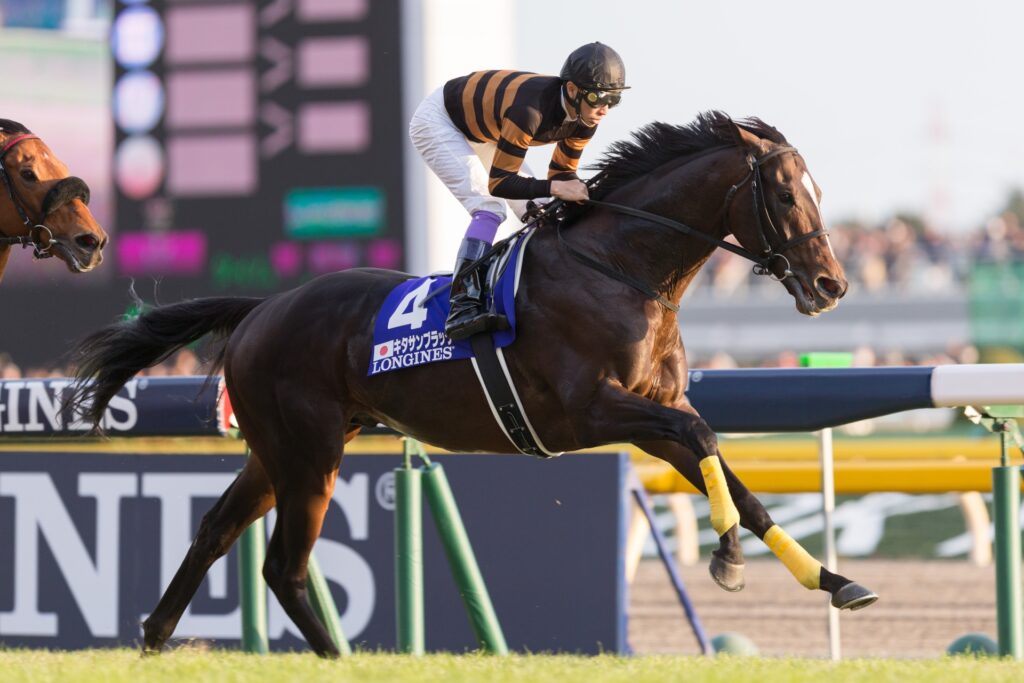
The situation is in large part due to the impressive strength of Japan’s elite middle-distance runners since the turn of the century. The winner’s list in these 18 years is a who’s who of Japanese champions: Deep Impact, Almond Eye, Contrail, Gentildonna, Kitasan Black, Equinox.