It was a hot and uncomfortably humid day to hike in the country park, but the peace and quiet made it worthwhile. The birds were singing, a family of wild pigs used their snouts to rut the ground, someone said they saw a snake sunbathing on a rock.
Then came a loud roar in the sky above. We looked up to see what it was. Four jet engines were pushing a plane into the blue yonder with a sound that a few months ago I would have ignored but now cannot.
How long will it be, I asked myself, before the highways in the sky are again full of planes packed with tourists? Air travel and tourism will, no doubt, recover but it is said tickets will cost more and check-in will take longer.
Another big global business devastated by Covid-19 is international education. Early in 2020, well over five million students worldwide were studying outside their home countries.
Precise calculations are difficult but University World News, an online publication that claims to be "the global window of higher education," said global education for foreign students is worth around US$100 billion (HK$780 billion a year) with the US, Britain and Australia earning about US$20 billion apiece.
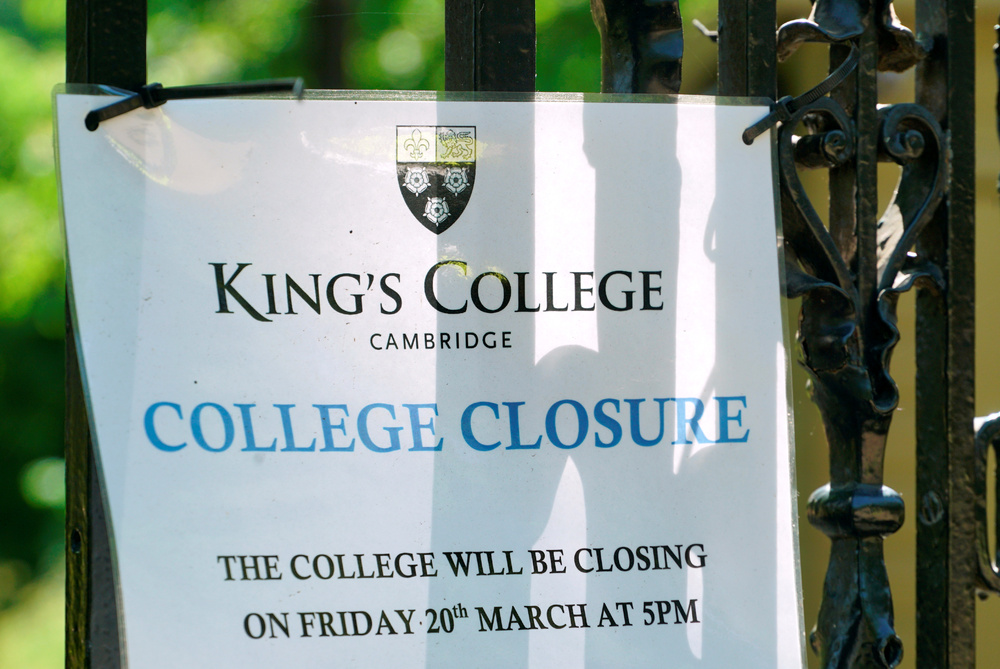
That was the case until Covid-19 came along and killed the business. Courses stopped in mid-flow, exams were canceled or postponed, students flew home.
At stake is the survival of many western universities because they depend on the high fees they charge foreign students. Covid-19 has decimated their income and become the proximate cause for urgent reform.
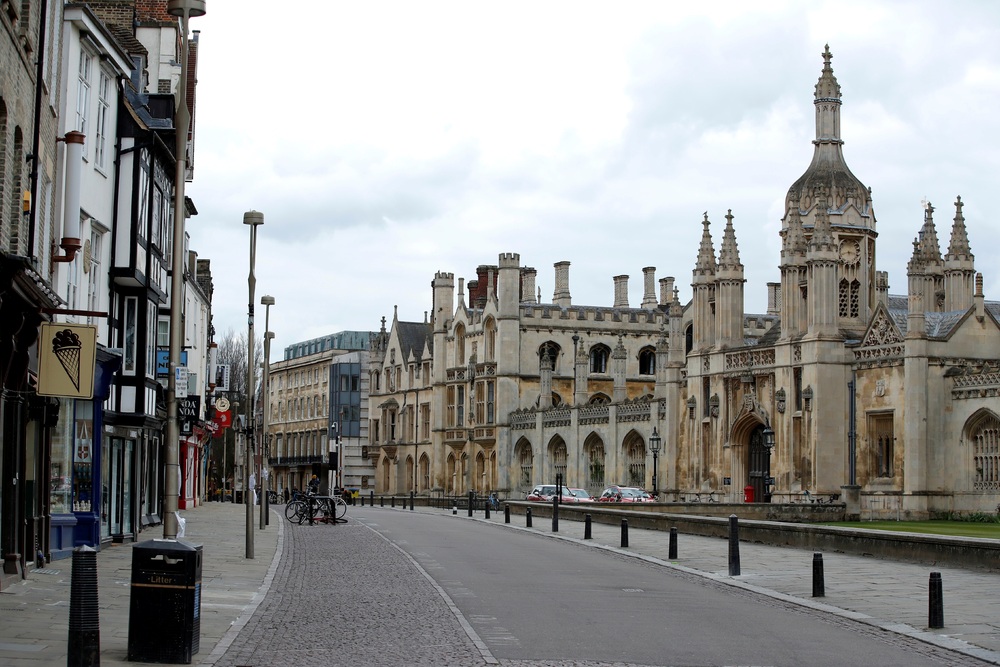
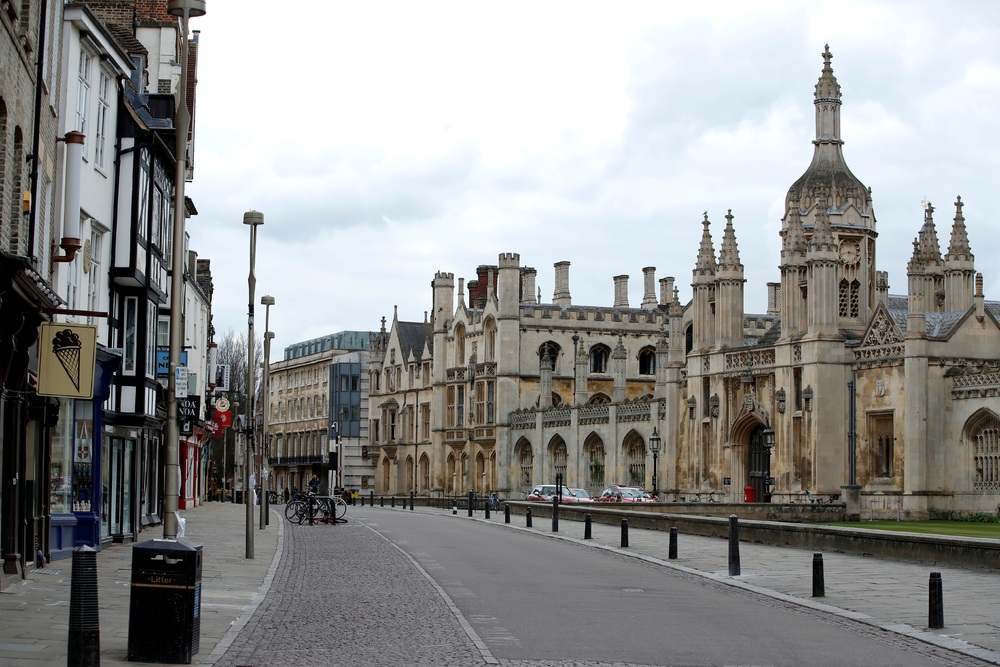
A typical example is Cambridge University, which is doing away with all physical lectures this year and moving them online.
The pandemic has compelled universities to embrace online teaching and assessment as a matter of survival but at the same time exposed them to a new risk - if online education becomes the new normal, why should foreign students pay high fees to attend a university course in a foreign country when they can stay at home and complete the same course online?
It is a question being urgently discussed throughout the world of international education.
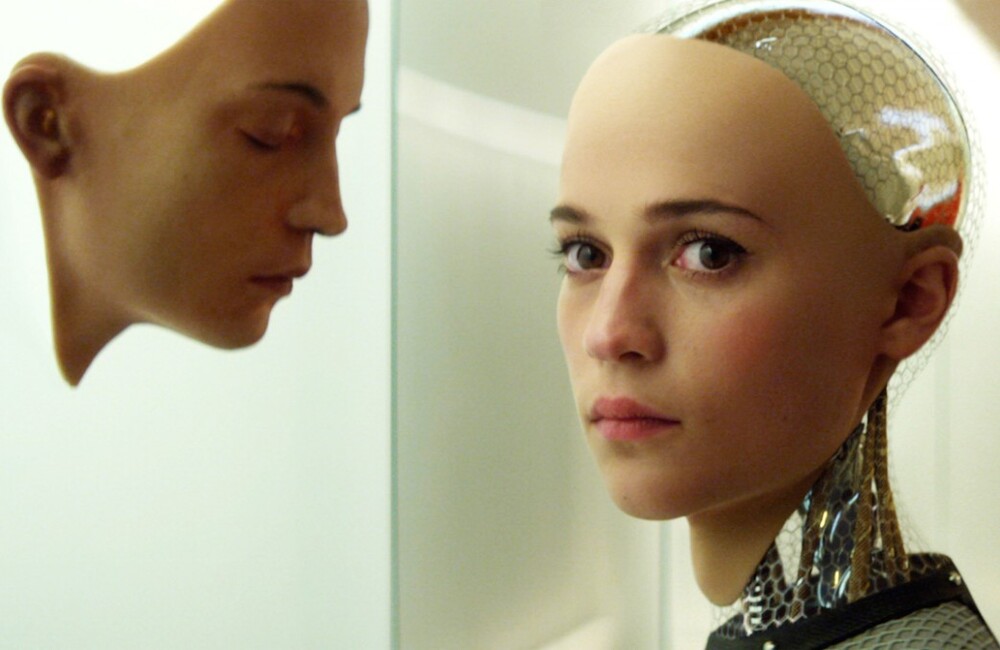
Buckingham University in the UK has been quick off the mark, offering a degree course in history that is totally online and uses artificial intelligence.
"Nothing since the arrival of the printing press will change education more than artificial intelligence," the university's vice-chancellor has said.
As if dealing with the pandemic was not enough, universities are also having to adapt in other ways. The traditional system of testing students' knowledge with examinations and granting degrees according to exam results is fast going out of fashion.
A new model is to treat education like a service, with students paying for the service and receiving a certificate, or degree, at the end of their course but without any examinations.
The internet has made tests and examinations unreliable barometers of knowledge because of plagiarism, or "copy and paste answers."
In a sign of the times, Oxford University has canceled its exams for first-year students and said: "Students will be assumed to have passed."
The old way of grading degrees by first, second and third honors is also under threat because employers are discovering there is little, if any, relationship between a person's class of degree and their job ability.
Accountancy firm Grant Thornton studied 10,000 job applications by graduates and found that having a first-class degree was actually an indicator of poor ability as an employee.
It is why employers are paying less attention to degrees and relying more on competitive interviews to select new employees. It is a selection system known as "behavior at interview."
There is a big problem in all this.
With students who don't study overseas, stare into screens, rely on artificial intelligence and don't take exams, I fear they will miss the camaraderie and the social interaction that I loved so much during my student days in London and at Trinity Hall, Cambridge.
Cheng Huan is an author and a senior counsel who practices in Hong Kong