The prolonged Covid-19 lockdown has brought mental health and wellbeing into sharp focus.
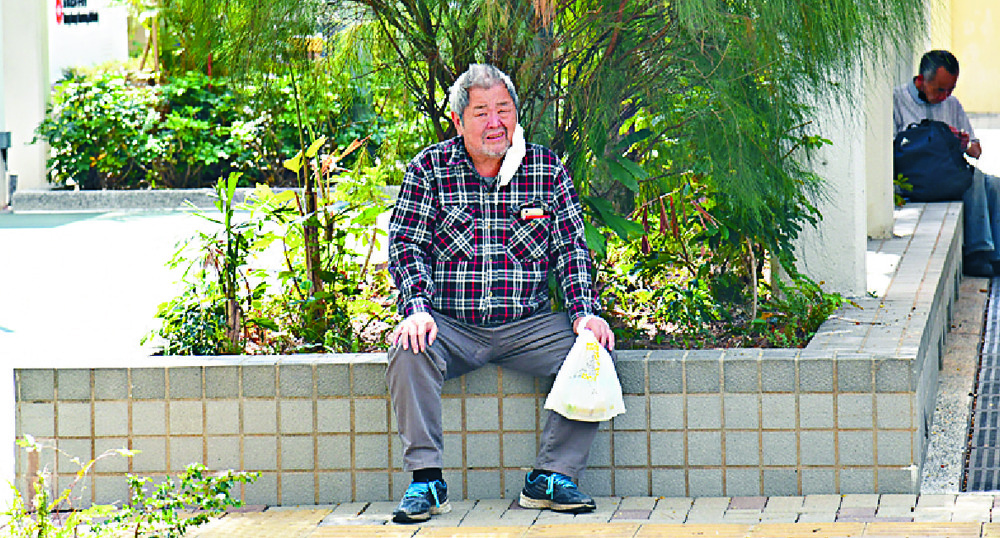
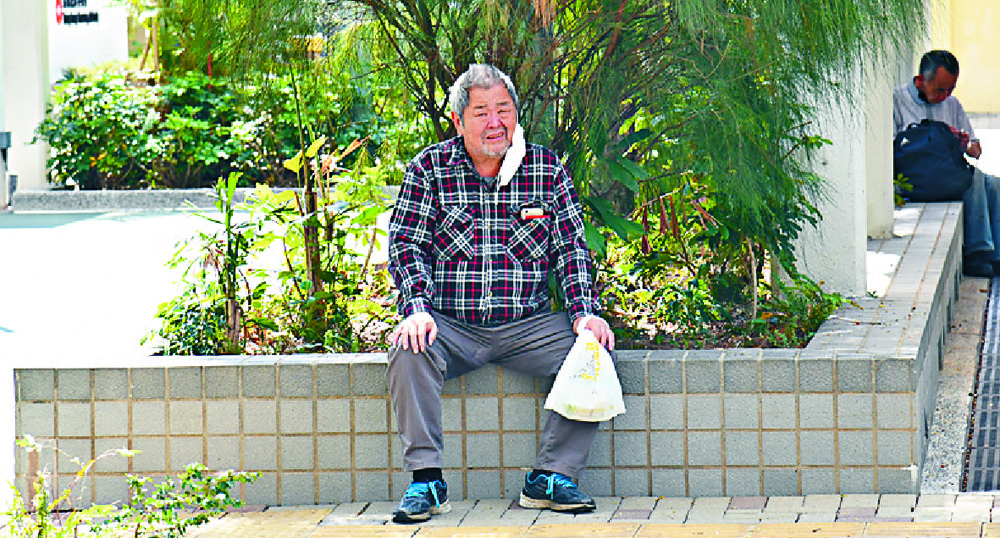
With most of Hong Kong's elderly self-isolating, alone and unable to leave their homes, our city is in desperate need of kindness.
Everyone is told to stay home and be socially distant from others. But the devastating effects of social isolation are especially pronounced for the elderly.
In fact, the elderly suffer a double whammy - not only does Covid-19 disproportionately affect their physical health, but the restrictions can also have a devastating toll on their mental health as well.
They can suffer from increased anxiety, depression, and even cognitive decline. The longer this goes on, the greater the mental and physical toll. This also makes it harder for them to reintegrate into society after the crisis.
We can and should do something about this. One way is talking to the elderly by phone. This has always existed and is particularly important now. It helps them feel connected and lifts their spirits.
The amazing thing is that volunteering to help the vulnerable has a positive effect on the volunteer too!
Researchers from the University of California Los Angeles Bedari Kindness Institute found that being kind and generous makes you happier. In fact, the research suggests the recorded happiness lasts longer for the volunteer than the person receiving the volunteer's help.
Technology is making volunteering easier than ever. A telephone call or an online chat can be a lifeline for the elderly by boosting their wellbeing. Around the world, so-called "kindness hotlines" are being set up to connect armies of volunteers to these vulnerable people.
Even high schoolers are participating.
Apart from online studies, these students can act as virtual volunteers in their spare time. You don't always have to offer advice, you just need to lend an ear.
With suitable training, they will be able to provide quality emotional support to help the elderly. These boost their wellbeing, making them happy and feel connected.
Moreover, training programs are not limited to the young. There are even programs to train seniors to help their peers, including The Hong Kong Jockey Club Charities Trust "JC JoyAge" program. This program helps seniors identify and support other vulnerable seniors to enhance neighborhood cohesiveness.
If we can help someone by spending just a few minutes from the comfort of our home, why wouldn't we pick up the phone or start an internet call?
The ethos of giving back is already widespread. In 2017 research firm Nielsen and HandsOn Hong Kong, a charity, polled people on their attitudes and habits regarding volunteering. A plurality of respondents said they wanted to volunteer and nearly 30 percent have volunteered in the past year.
In addition, many companies here actively encourage staff to volunteer as they value corporate social responsibility as a key component of their business.
An ecosystem of volunteers, supporters, NGOs, schools and corporate partners has dedicated tens of millions of volunteer hours equivalent to billions in economic value in support of people in need every year.
We now need to establish these volunteering channels at pace. Online platforms have been set up to connect registered charities with would-be volunteers. Here they can learn how to speak or communicate with the vulnerable in a caring, effective way.
And these digital tools should remain after the crisis is over. Volunteering is not a one-off event. If a secure system is in place, then acts of digital kindness can continue forevermore.
Dr Jolly Wong is a policy fellow at the Centre for Science and Policy, University of Cambridge
Digital advancements give us a chance to connect with Hong Kong's elderly. sing tao